What Is TMJ Disorder?
Unsurprisingly, temporomandibular joint disorder affects the temporomandibular joint, which connects your jawbone (mandible) to your skull. This joint is responsible for jaw movement, allowing you to chew, talk, and perform other functions. When the joint or the muscles surrounding it become irritated or overused, symptoms of TMJ disorder can arise. Common symptoms include:
- Jaw pain and soreness.
- Lockjaw, or the inability to open or close your mouth.
- Clicking or popping sounds when moving the jaw.
- Tension headaches or migraines.
- Facial pain and muscle spasms.
- Bruxism (teeth grinding) and jaw clenching.
The causes of TMJ disorder vary and can include arthritis, jaw injuries, and habitual clenching or grinding of the teeth. For many people, traditional treatment methods like dental splints, physical therapy, and anti-inflammatory medications are helpful. However, some patients require more targeted treatments, such as Botox injections.
How Botox Works for TMJ
Botox, also known as botulinum toxin type A, is a neurotoxin produced by the bacterium Clostridium botulinum. When used in small doses, it can be safely injected into specific muscles to temporarily reduce muscle activity. This makes Botox an ideal muscle relaxant for treating TMJ disorder.
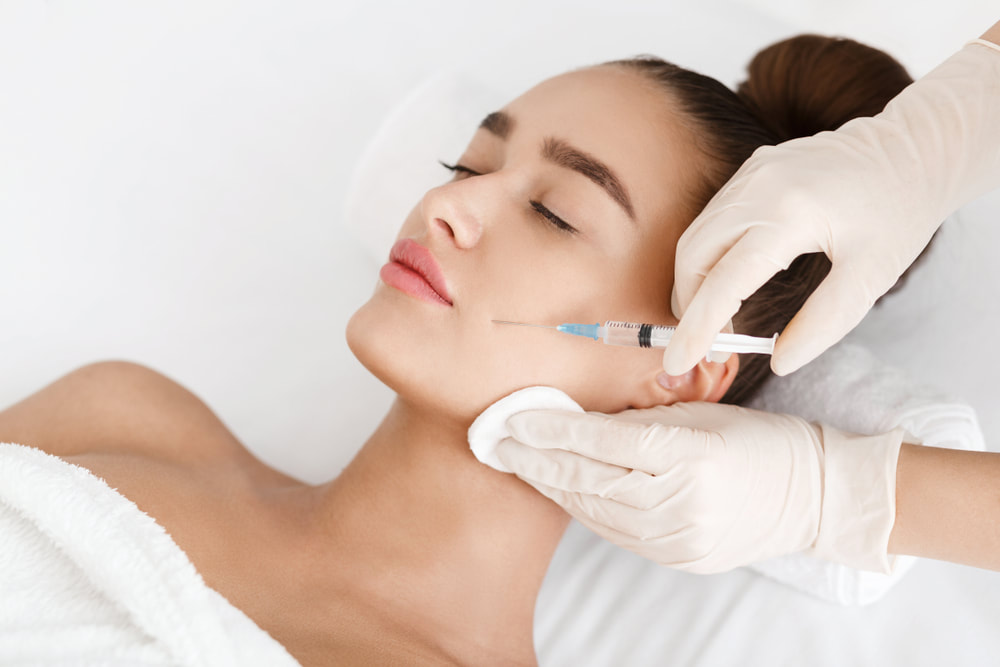
During a Botox treatment, a healthcare provider injects units of Botox into the jaw muscles, typically targeting the masseter and temporalis muscles. These muscles are often overactive in patients with TMJ, causing muscle spasms and jaw tension. By relaxing these muscles, Botox can alleviate pain, reduce muscle spasms, and improve jaw function.
The Benefits of Botox for TMJ
Botox offers several benefits for patients with TMJ disorder:
- Pain Relief — Botox injections can provide significant pain relief for patients suffering from TMJ-related symptoms, such as jaw pain, facial pain, and tension headaches.
- Reduced Jaw Tension and Muscle Spasms — Botox helps relax overactive muscles, which can reduce jaw tension and alleviate symptoms of bruxism.
- Improved Jaw Function — With less tension in the muscles, patients often experience improved range of motion in their jaw joint.
- Minimal Downtime — Unlike surgery, Botox is a non-invasive procedure with minimal downtime, allowing patients to resume normal activities shortly after treatment.
- Aesthetic Benefits — Botox may also provide aesthetic benefits by slimming the jawline in patients with enlarged masseter muscles, resulting in a softer facial appearance.
The Botox TMJ Treatment Process
The Botox TMJ treatment process is relatively straightforward and minimally invasive. Here's what patients can expect:
Consultation
Before undergoing the procedure, a consultation with a healthcare professional is necessary to assess the severity of TMJ symptoms and determine the appropriate treatment plan.
Injection Procedure
During the procedure, a small amount of botulinum toxin is injected into the affected jaw muscles, such as the masseter, temporalis, or other facial muscles contributing to TMJ symptoms. The injection sites are carefully chosen to maximize pain relief while minimizing the risk of side effects.
Post-Treatment Care
After the procedure, patients may be advised to avoid strenuous activities or massaging the injection sites. Applying a cold pack can help reduce any initial soreness or swelling. Most patients experience relief within a few days to two weeks following the injection.
Follow-Up Appointments
Botox is not a permanent solution for TMJ, so follow-up appointments are usually recommended every 3–4 months to maintain the benefits. Regular treatment helps prevent the recurrence of muscle spasms and jaw pain.
Potential Side Effects and Risks of Botox for TMJ
Like any medical treatment, TMJ Botox comes with potential side effects and risks. While Botox is generally safe when administered by a qualified healthcare provider, some patients may experience:
- Mild swelling or bruising at the injection site.
- Temporary muscle weakness or difficulty swallowing.
- Flu-like symptoms or headaches.
- Minor soreness or discomfort in the treated areas.
In rare cases, patients may experience more severe side effects, such as difficulty breathing or speaking. If any of these symptoms occur, immediate medical attention is necessary.
Who Is a Good Candidate for Botox TMJ Treatment?
Botox for TMJ is suitable for patients experiencing moderate to severe TMJ pain, especially those who have not found relief with other treatment options like physical therapy, mouth guards, or anti-inflammatory medications. However, it may not be appropriate for individuals with certain medical conditions, such as neuromuscular disorders or allergies to Botox components.
It's essential to consult with a qualified healthcare provider to determine if Botox is the right treatment option for you.
How Much Does Botox for TMJ Cost?
The cost of Botox for TMJ varies depending on factors like the number of units required, the provider's experience, and geographic location. On average, a single treatment session can cost between $500 and $1,500. Since Botox is primarily known for its cosmetic use, insurance companies may not cover TMJ treatments. However, some providers may offer payment plans or alternative treatment options to make the procedure more accessible.
Comparing Botox to Other TMJ Treatment Options
When considering Botox as a treatment for TMJ, it's helpful to compare it to other available treatment options:
- Mouth Guards — Often used to prevent teeth grinding, mouth guards can help alleviate jaw tension but may not provide relief for severe TMJ symptoms.
- Physical Therapy — Physical therapy exercises can strengthen and relax the jaw muscles, offering an alternative or complementary treatment to Botox.
- Anti-Inflammatory Medications — Over-the-counter medications can reduce pain and swelling but may not address the underlying muscle spasms contributing to TMJ.
- Surgery — In severe cases of TMJ dysfunction, arthroscopy or other surgical procedures may be necessary. Surgery is invasive and typically reserved for cases that do not respond to conservative treatments.
FDA Approval and Use of Botox for TMJ
Although Botox is FDA-approved for various medical and cosmetic uses, such as treating chronic migraines and facial wrinkles, it has not yet received FDA approval specifically for TMJ. However, many healthcare professionals use Botox off-label to treat TMJ with promising results. Ongoing research continues to explore the effects of Botox on TMJ symptoms and its potential as a standard treatment option.
Frequently Asked Questions
-
No, Botox is not a permanent solution for TMJ disorder. The effects typically last 3–4 months, after which follow-up treatments are recommended to maintain pain relief and prevent the recurrence of muscle spasms.
-
Most patients begin to experience relief within a few days to two weeks following the injection, as the Botox gradually relaxes the overactive jaw muscles.
-
When administered correctly by a qualified provider, Botox for TMJ should not significantly affect your ability to eat or speak. Some patients may notice a temporary reduction in bite force, but this typically resolves as the muscles adjust.
-
Since Botox is primarily associated with cosmetic use, insurance companies may not cover TMJ treatments. However, some providers offer payment plans or can help you explore alternative financing options to make the procedure more accessible.
-
Botox has not yet received FDA approval specifically for TMJ treatment. However, it is widely used off-label by healthcare professionals with promising results, and ongoing research continues to explore its potential as a standard treatment option.
-
Yes, for patients with enlarged masseter muscles, Botox injections can have the added benefit of slimming the jawline and creating a softer facial appearance alongside providing pain relief.
Ready to Live
Pain-Free?
Botox for TMJ is a promising treatment option for patients experiencing jaw pain, facial pain, or other TMD symptoms. If you're struggling with TMJ and haven't found relief through traditional methods, contact SkinOvation today to schedule a consultation and take the first step toward a pain-free life.
Book a Free Consultation →