Understanding Acne Vulgaris
First, let's shed light on the culprit itself. Acne is a common skin condition that arises from a confluence of factors:
- Excess sebum production — Our sebaceous glands naturally produce sebum, an oil that keeps skin supple. However, overproduction can clog pores, creating the perfect breeding ground for trouble.
- Acne-causing bacteria — P. acnes, a specific bacterium, thrives in this oily environment, triggering inflammation and contributing to breakouts.
- Inflammation — This defensive response from the body further worsens the situation, leading to the redness, swelling and pustules we associate with acne.
Acne comes in various forms, from mild (pimples, blackheads) to moderate (papules, pustules) and severe (nodules, cysts). And although facial acne is the most visible type, it can also appear on the chest, back and other body parts. Regardless of severity, the impact on self-esteem can be significant. Thankfully, new light-based therapies offer non-invasive and drug-free solutions for acne of all kinds.
Laser Therapy for Acne
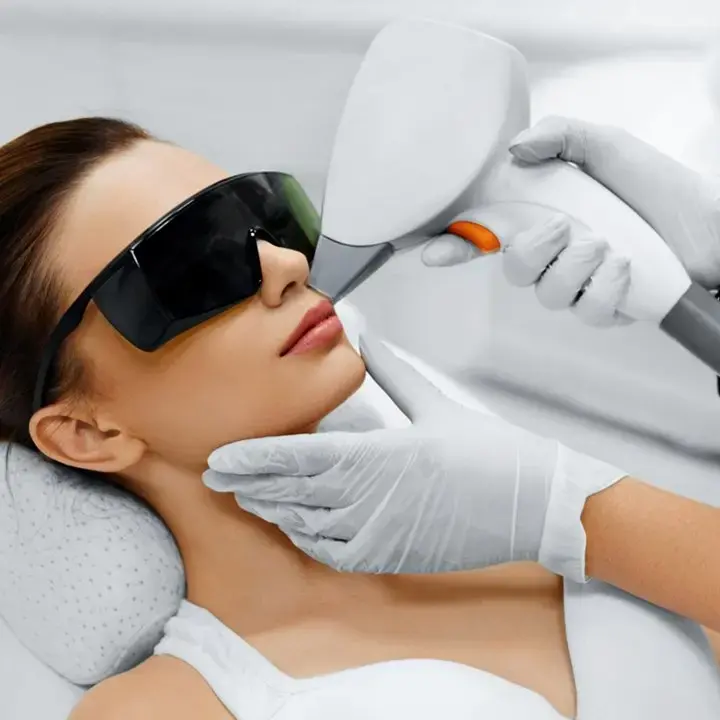
Laser therapy has become a powerful ally in the fight against acne, wielding light energy with precise targeting. It involves directing a concentrated beam of light at the treatment area, which is converted to heat in the skin. Various lasers employ different wavelengths to address specific skin concerns — from wrinkles to unwanted tattoos to acne.
For acne in particular, the 1450 nm diode laser has become the gold standard. Here's how it works:
- Killing acne-causing bacteria — The 1450 nm diode laser disrupts and destroys bacteria like P. acnes by targeting porphyrins — molecules produced by the bacteria. This both prevents new acne lesions from forming and promotes healing in active lesions.
- Reducing sebum production — The laser energy shrinks sebaceous glands responsible for oil production, leading to reduced sebum levels. By controlling oil, these lasers help prevent clogged pores and future breakouts.
- Boosting skin renewal — The heat from laser treatments stimulates collagen production, which improves overall texture, promotes faster healing of existing lesions and reduces the appearance of scars.
Pros and cons of laser treatments for acne
While laser treatments offer undeniable benefits, there are a few limitations to consider. Multiple sessions are often needed, with spacing depending on the laser type and individual needs. Some procedures require downtime for healing, potentially with redness and scabbing. Not all lasers are suitable for all skin tones, which is why a consultation with a dermatologist is crucial before starting therapy.
Red Light Therapy for Acne
Red light therapy, a form of phototherapy also known as low-level laser therapy, takes a gentler approach to tackling acne. This treatment involves exposing the affected skin to light-emitting diodes (LEDs) that emit specific red light wavelengths. It's important to note that unlike ultraviolet light from the sun, red light therapy does not cause skin cancer — in fact, it's used to treat certain forms of skin cancer along with conditions such as psoriasis.
LED light therapy, specifically with red and near-infrared wavelengths, tackles acne in a few key ways:
- Reducing inflammation — Red light directly influences inflammatory pathways, reducing the activity of cells that trigger redness, swelling and breakouts. This dampens the inflammatory cascade, leading to fewer inflamed papules and pustules and promoting overall skin calming.
- Killing acne-causing bacteria — Certain red and near-infrared wavelengths target P. acnes bacteria by disrupting their cell membranes and reducing their ability to multiply, helping control bacterial populations within the pores.
- Boosting collagen production — Red light therapy stimulates collagen production, improving skin texture and aiding wound healing. This can promote faster resolution of existing acne lesions and potentially minimise the formation of acne scars.
Pros and cons of red light therapy for acne
Red light therapy is associated with very few side effects — any adverse events are usually short-term and limited to mild redness, stinging or itchiness. It's suitable for all skin types and, unlike in-office laser treatments, FDA-approved at-home devices are available at reasonable prices, offering flexibility and convenience.
However, research into red light therapy's efficacy for acne is still ongoing. Compared to lasers, red light penetrates less deeply, potentially limiting its effectiveness for deeper acne lesions. As with any treatment, individual responses can also differ.
Lasers vs. Red Light Therapy for Acne
For treating mild to moderate acne, both therapies shine — but with variations. Lasers, particularly the 1450 nm diode laser, can effectively target inflammatory papules and pustules, while red light therapy might show slower progress. For sensitive skin or mild cases, red light's gentler approach might be preferred.
In the case of severe acne, lasers can penetrate deeper to reach cystic lesions, while red light's more limited penetration may render it less effective. That said, red light can still offer complementary benefits by reducing associated inflammation.
Key points to consider when choosing between the two:
- Side effects — Lasers carry more potential side effects like redness, swelling and temporary scabbing. Red light therapy generally has a milder profile, but consult a dermatologist for individual risk assessment.
- Skin type considerations — Lasers require careful selection based on skin tone to avoid hyperpigmentation risks. Red light therapy is generally suitable for various skin types.
- Pre-existing conditions — Rosacea or hyperpigmentation might require cautious laser use. Red light therapy may be safer in these cases, but always consult a dermatologist for specific guidance.
The Power of Joining Forces
While both therapies have their strengths, the real power lies in collaboration. Combining them with other acne treatment modalities can create a formidable alliance — addressing various aspects of acne simultaneously to accelerate results, minimise individual side effects and reduce the risk of acne scarring.
Consider incorporating some of the following complementary treatments into your skin care routine:
- Topical creams — Agents like benzoyl peroxide, retinoids and topical antibiotics each address acne through different mechanisms, from combating P. acnes bacteria to accelerating skin cell turnover and reducing inflammation. These are most effective when used under a dermatologist's guidance.
- Chemical peels — These treatments exfoliate the top layer of skin, unclog pores and stimulate collagen production. Red light therapy's anti-inflammatory and wound-healing properties can complement a peel by promoting faster recovery and minimising irritation — though care should be taken to ensure both treatments are safe to use in combination on your skin.
- Blue light therapy — Blue light therapy utilises wavelengths of around 415 nm to target and neutralise P. acnes bacteria. Combined with red light therapy, this dual approach addresses both the bacterial cause and the inflammatory response, helping to reduce breakouts, aid in the healing of acne scars and enhance overall skin texture.
Frequently Asked Questions
-
Laser therapy is generally more effective for severe acne as it can penetrate deeper into the skin to reach cystic lesions. Red light therapy has more limited penetration and is better suited to mild or moderate cases, though it can still complement laser treatment by reducing inflammation.
-
Red light therapy is generally suitable for all skin types and tones. Laser treatments require more careful selection based on skin tone, as some lasers carry a risk of hyperpigmentation in darker skin. A consultation with a qualified dermatologist is essential to determine the safest and most effective option for your specific skin.
-
The number of sessions varies depending on the treatment type, acne severity and individual skin response. Laser treatments may show results faster but typically still require multiple sessions. Red light therapy generally requires more sessions before a noticeable improvement is seen. Your provider will recommend a personalised treatment plan.
-
Yes, FDA-approved at-home red light therapy devices are available and offer a convenient and relatively affordable option. However, professional in-clinic treatments typically deliver more powerful and targeted results. Always ensure any device you purchase is FDA-approved and follow the manufacturer's guidance carefully.
-
Yes, combining laser and red light therapy can create a more comprehensive treatment strategy. Laser targets deeper lesions and bacteria while red light reduces inflammation and promotes healing. A dermatologist can advise on the optimal combination and sequencing for your specific skin concerns.
-
Both laser therapy and red light therapy can help reduce the appearance of acne scars. Laser treatments stimulate collagen production and promote skin renewal, making them particularly effective for scarring. Red light therapy also boosts collagen and aids wound healing, which can minimise scar formation when used consistently as part of a broader treatment plan.
Ready to Take On
Acne for Good?
The most effective way to combat acne isn't by choosing one therapy over another — it's by combining them in a multi-pronged approach tailored to your skin. A qualified dermatologist can assess your individual needs, skin type and acne severity to craft the optimal treatment plan. Contact SkinOvation today to schedule a consultation and take your first step toward clear, healthy skin.
Book a Free Consultation →